Shared wardrobes
How to share clothes with friends without losing track
Share clothes cleanly by deciding what you are happy to lend, putting those pieces somewhere friends can browse, making every borrow request explicit, and recording what is out until it returns. Keep the group private and small. The hard part is not generosity — it is memory and follow-through.
By Randova · Randova Limited
Published 14 September 20262 min read
The problem isn’t sharing clothes; it’s remembering who has what
Most friend groups already lend outfits. The friction arrives later: unanswered “is this free?” messages, forgotten returns, and nobody knowing whether the black dress is at home or across town.
A light system beats a stricter rule. You want visibility and clear requests — not a marketplace.
Decide what you’re happy to lend
- Everyday pieces you are comfortable seeing leave the house
- Occasion wear that sits unused between events
- Items with clear condition notes (delicate fabric, needs steaming)
Keep sentimental or irreplaceable pieces out of the shared list. Generosity works better with boundaries.
Create a wardrobe everyone can actually browse
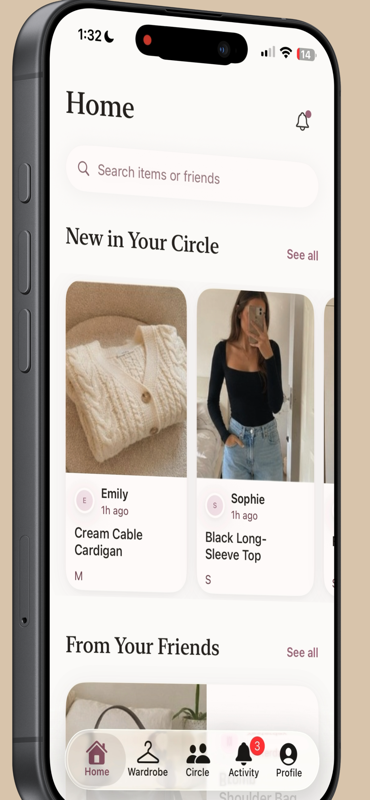
Photos plus a short label beat vague chat descriptions. Include size or fit notes when they matter. If friends cannot see what exists, they will keep asking — or buy something new instead.
Keep the group private and clear
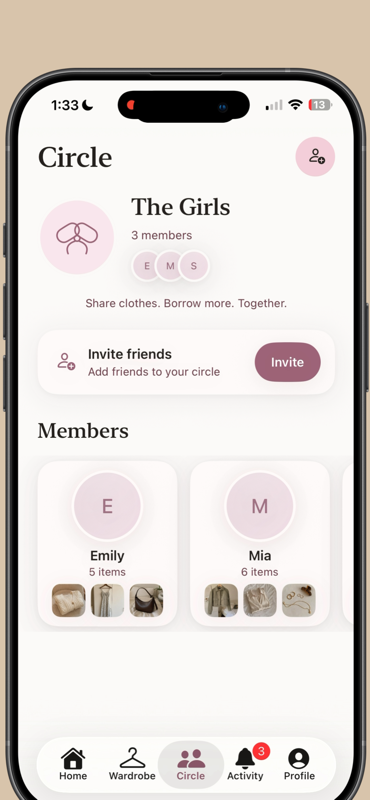
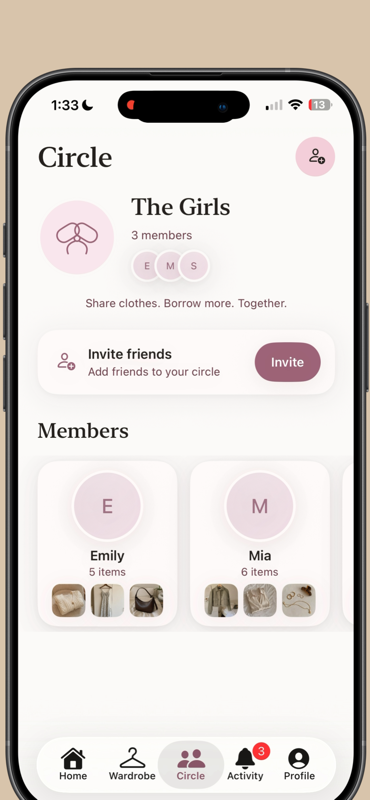
Shared wardrobes work best with trusted friends — a defined Circle, not an open network. Everyone should know who is in the group and that pieces are for borrowing among those people, not for listing to strangers.
Make every borrow request explicit
A clear request includes the item, the dates if known, and a yes/no from the owner. “Can I borrow this Saturday?” is better than a vague emoji reaction on a photo from three weeks ago.
Record what is out and what has come back
When something leaves, mark it as borrowed. When it returns, mark it back. That single habit prevents the most common failure mode: two people thinking they have the same piece.
Handle returns without searching old messages
Agree a simple return cue — a message, a status change, or a handoff note. Searching a group chat for “jacket” six weeks later is how items get stuck in limbo.
Build a shared list without the group-chat chaos
Borrowed is built for trusted friend Circles: add pieces you own, browse what friends already have, send borrow requests, and keep lending organised — without turning clothes sharing into a rental marketplace.