Wellbeing
How to track your mood every day
Track your mood daily with a short check-in: a simple scale, optional emotion words, and one brief note when context helps. Check in at a consistent time, look across several days for patterns, and treat the log as self-reflection — not a medical diagnosis or treatment plan.
By Randova · Randova Limited
Published 14 September 20262 min read
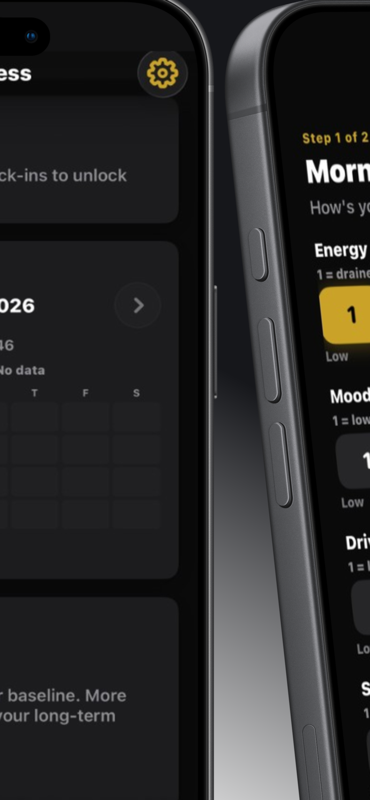
Keep the daily check-in small enough to repeat
A mood tracker only helps if you still open it next week. Aim for something you can finish in under a minute on busy days. Long journal prompts can wait for evenings when you have more capacity.
If you are unsure what fields to include, see what you should put in a mood tracker.
Choose a simple mood scale
A 1–5 or 1–10 scale is enough for most people. The scale should be memorable: you need to use the same meanings tomorrow. Fancy custom systems collapse when you are tired.
Check in at a consistent point in your day
Morning check-ins capture how you start. Evening check-ins capture how the day landed. Either works — mixing both randomly makes patterns harder to read. Pick one default and stick to it.
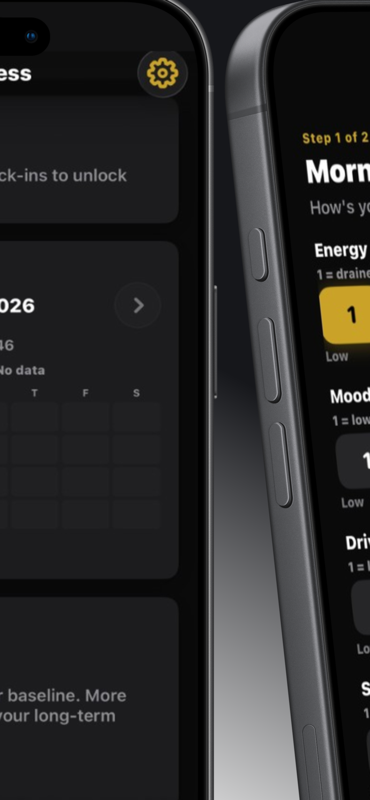
Add context only when it helps
A short tag or sentence can explain a low or high score: poor sleep, a hard meeting, a good walk. Skip the essay. Extra fields you never fill become guilt, not insight.
Look back at several days instead of overinterpreting one entry
One low day is information about one day. A week of similar scores — or a clear midweek dip — is a pattern worth noticing. Review weekly if you can; avoid rewriting your whole identity from a single check-in.
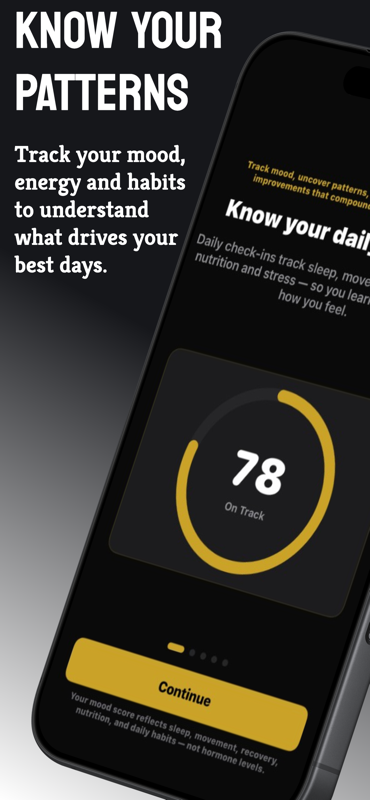
Notice patterns without treating them as a diagnosis
Mood logs can support self-awareness and conversations with people you trust. They do not diagnose depression, anxiety, bipolar disorder or any other condition, and they are not a treatment.
If mood changes are severe, persistent, or affecting your safety or daily functioning, seek professional help. In the UK, the NHS and local crisis services are the right starting points for clinical support.
When mood tracking isn’t enough
- You feel unable to keep yourself safe
- Low mood or anxiety is lasting and worsening
- Tracking increases distress instead of clarity
- You need clinical assessment or therapy
In those cases, pause the DIY dashboard and talk to a qualified professional or emergency service as appropriate.
When you want a ready-made check-in
Mood Track is built for quick daily check-ins, Mood Scores and patterns over time — for everyday reflection and wellbeing awareness, not medical diagnosis or therapy.
Sources & references
- NHS — Mental health — Starting point for UK mental-health information and help.
- NHS — Help for suicidal thoughts — Guidance if you need urgent support.