Beauty guidance
What is AI beauty analysis?
AI beauty analysis uses a selfie and software to suggest personalised cosmetic or styling guidance — for example ideas around skin presentation, hair, makeup or colour. It is informational beauty guidance, not a medical diagnosis, dermatology assessment or an objective attractiveness score.
By Randova · Randova Limited
Published 14 September 20262 min read
AI beauty analysis, simply explained
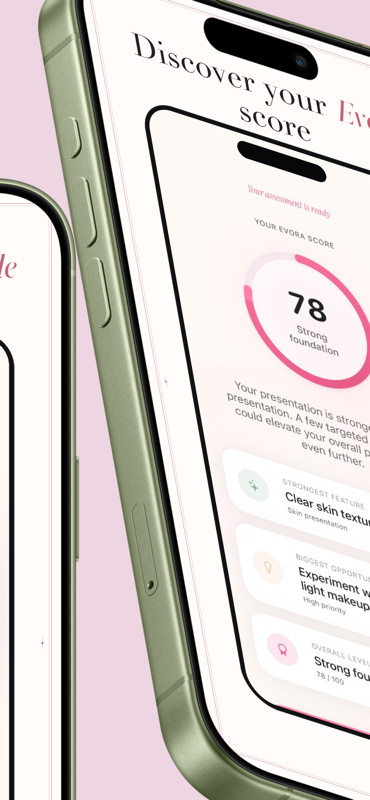
In consumer apps, “AI beauty analysis” usually means: take a clear face photo, run an assessment, and receive personalised suggestions. The value is a structured starting point — not a clinical verdict.
It is also different from virtual makeup try-on. For that comparison, see AI beauty analysis vs virtual makeup try-on.
What an AI beauty app can look at in a selfie
Depending on the product, analysis may consider visible presentation cues from the photo and any questions you answer — for example how your features appear under the lighting you used, or areas you want to refine. It cannot see below the skin or replace an in-person professional examination.
What the output can include
- A summary score or confidence-style overview
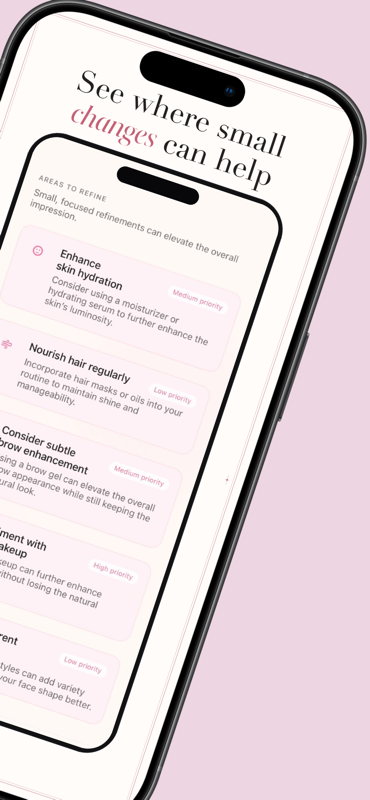
- Notes on strengths and areas to refine
- Practical suggestions for skin presentation, hair, makeup or colour
- A short plan of next steps for the days ahead
Why lighting, angle and photo quality matter
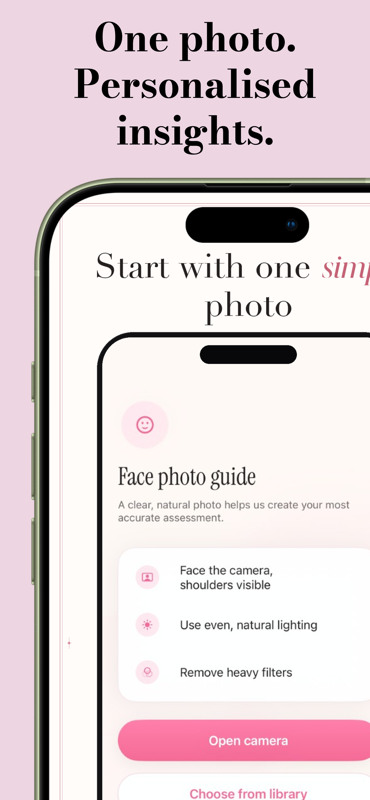
A harsh overhead light, heavy filter or extreme angle changes what the camera sees. Clear, natural light and a straightforward face-on photo usually produce more useful guidance than a heavily edited selfie.
AI beauty guidance is not medical analysis
Beauty apps are not designed to diagnose skin disease, prescribe treatment or replace a dermatologist or other clinician. If you have a medical concern — rashes, sudden changes, pain, infection — seek professional care.
Beauty analysis is not the same thing as an attractiveness verdict
Personalised guidance should help you decide what to try next. It should not claim an objective ranking of how attractive you are. Treat scores and labels as product framing for recommendations, not as a scientific ranking of worth.
How Evora uses a selfie to create personalised guidance
Evora starts with a clear face photo and assessment flow, then presents an Evora Score with context and a personalised seven-day plan covering areas such as skin, hair and makeup. Colour guidance may appear as additional support where relevant.
What to expect before you try an AI beauty app
- You will need a clear selfie and a few minutes for assessment questions.
- Results are guidance for personal experimentation, not medical advice.
- Lighting and photo quality affect what you get back.
- You should still use judgement — and professional help for clinical concerns.